At the Airport
Airport Security Without the Repacking
How airport security screening works, what comes out of your bag, and how to move through the checkpoint calmly.

Security is a process with a predictable shape, even though the details differ from airport to airport. Knowing the shape is most of what makes it painless.
Before you join the queue
Take thirty seconds at a bench rather than three minutes at the belt.
- Liquids bag out and in your hand
- Laptop and tablet in an outer pocket or on top
- Coins, keys, phone and belt into a jacket pocket, then the jacket into the tray
- Boarding pass ready, since many checkpoints scan it at the entrance
The single biggest slowdown at any checkpoint is a passenger unpacking their bag on the belt. Almost all of that can be done beforehand.
What the scanners are looking at
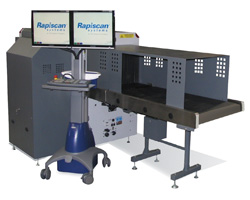
Cabin bags go through an x-ray. In airports with older equipment, dense items obscure what sits behind them, which is why laptops and liquids are separated out. Newer computed tomography scanners build a three-dimensional image and can often see through a packed bag, so those airports let you leave electronics and liquids where they are.
You cannot tell which type you are facing from the queue. Follow the signage and the instructions given, and ignore what a different airport allowed you to do last month.
Walking through
You will pass through either a metal detector or a body scanner. Both require you to empty your pockets completely - a folded receipt can trigger a second look.
If a scan flags something, you will be asked for a pat-down of that area. This is routine, it does not mean you are suspected of anything, and you can request a private room and a screener of the same gender.
Medical implants, insulin pumps and similar devices: tell the officer before you walk through rather than after the alarm sounds.
Common items that cause a bag search
- A water bottle you forgot was full
- A power bank buried in the middle of the bag
- Snacks with a thick liquid consistency, such as yoghurt or peanut butter
- Umbrellas and tripods, which read as long dense objects
- A tangle of cables that hides everything under it
None of these are prohibited except the full bottle, but each of them earns a manual check that costs several minutes.
Fast track, families and assistance
Priority lanes are sold by many airports and included with some premium fares. On a quiet morning they save nothing. At a peak hour in a busy hub they can save half an hour.
Family lanes exist at many airports and are worth using even if they look longer, because everyone in them is also travelling with children and nobody is hurrying you.
If you need assistance, request it from the airline in advance. Staff at the checkpoint can help on the day, but a booked request means someone is expecting you.
After the checkpoint
Repack properly before leaving the reclaim bench. Walking away with a laptop loose under your arm is how laptops get left behind.
Then fill your water bottle, check the screens for your gate, and take note of the walking time shown. Some terminals put twenty minutes between security and the furthest gates, which our guide on finding your gate covers in more detail.
Rules change and vary by country. Where the signage at your airport contradicts anything here, follow the signage.